Special Issue #09

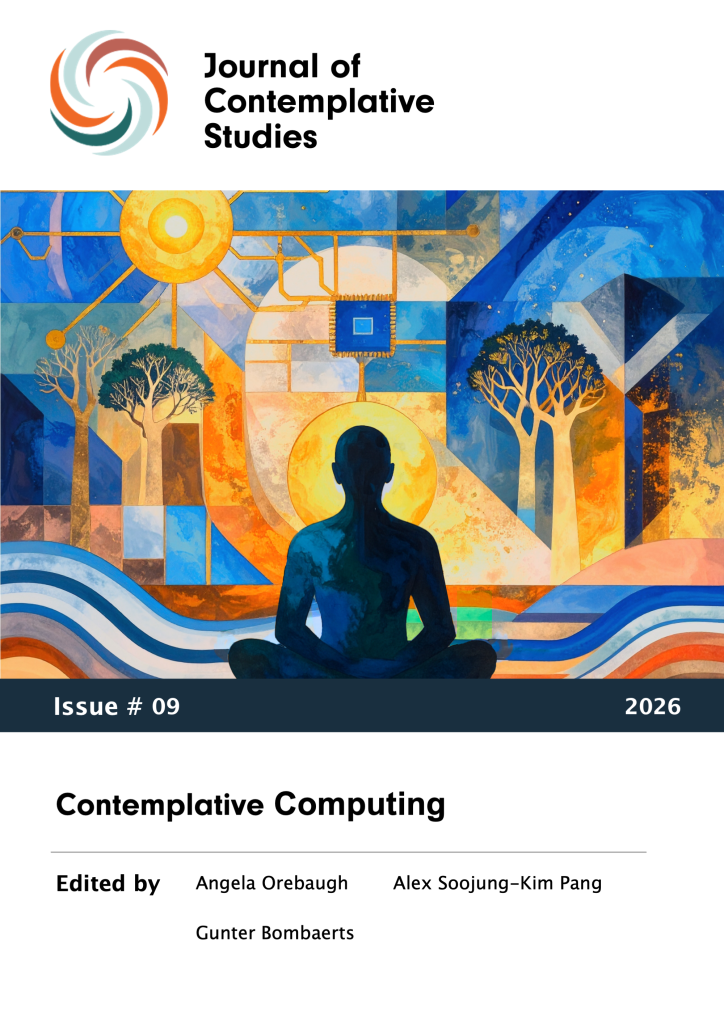
    Contemplative Computing

    Angela Orebaugh, University of Virginia
    Alex Soojung-Kim Pang, Stanford University
    Gunter Bombaerts, Eindhoven University of Technology

    This Special Issue invites scholars to explore the dynamic and multifaceted relationship between contemplation and technology. In an era marked by rapid technological advancements—spanning Artificial Intelligence, digital media, Virtual Reality, and neurotechnology—many of the tools we rely on shape not only how we think but how we live, perceive, and experience. This reliance invites both excitement and concern: at once, technology risks exacerbating distraction, disembodiment, and existential alienation but it also has the potential to enhance contemplative practices by fostering deeper self-awareness, social connection, and global empathy. To explore such tensions, the issue encourages interdisciplinary dialogue on topics such as the use of technology in contemplative practices, neuroscience of meditation enhanced by digital devices, and cultural implications of techno-optimism and digital asceticism.

    Cover image credit: AI generated image using Adobe Firefly, with human edits.
    Special Issue #08

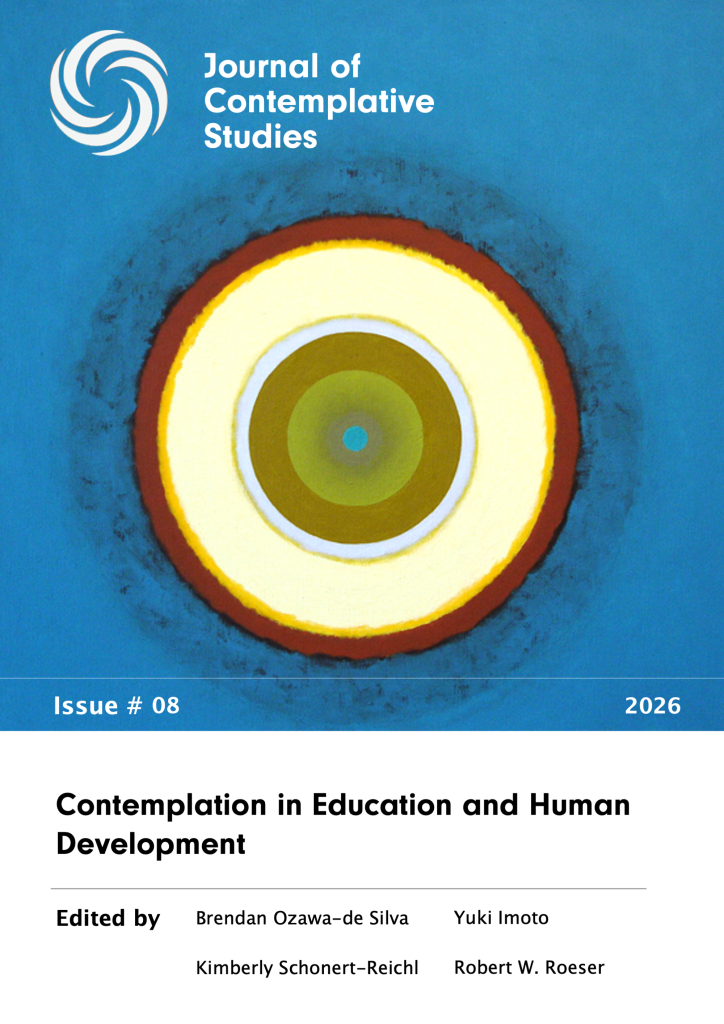
    Contemplation in Education and Human Development

    Robert W. Roeser, Emory University
    Brendan Ozawa-de Silva, Emory University
    Yuki Imoto, Keio University
    Kimberly Schonert-Reichl, University of Illinois, Chicago

    In recent decades, Contemplative Studies has established practices including mindfulness and compassion to be legitimate subjects of academic inquiry. Much of the science and scholarship to date, however, has a developmental blind spot. Despite diversity in the age of participants studied, contemplative research has, by and large, not focused on the developmental characteristics (e.g., needs, capacities, life tasks) of individuals as critical to understanding their engagement with different contemplative practices and the impacts those practices have on different lines of human development (e.g., attentional, emotional, self). As a result, our existing knowledge base is largely adult-focused, non-developmental, and lacks intergenerational context, hindering developmentally appropriate evaluations of contemplative education approaches. Thus, our understanding of how positive qualities like focused attention, mindfulness, and compassion develop across the lifespan is limited by this blind spot.

    Cover image credit: One 007, Kelvy Bird, 2008. Oil on canvas, 24 × 24 in. Reproduced with permission of the artist.

    Special Issue #02

    Mindful Practices and Embodied Critical Thinking: Tensions and Transitions

    Donata Schoeller, TECT (Training Embodied Critical Thinking)
    Sigridur Thorgeirsdottir, University of Iceland
    Greg Walkerden, Macquarie University, Australia

    This Special Issue explores embodied approaches to critical, analytic, and systematic thinking in dialogue with mindfulness practices. Articles focus on (i.) basic styles of meditative attention that support staying with an experience, and (ii.) practices of embodied critical thinking that engage with complex issues to move towards change. In so doing, authors ask, “What characterizes a mindful kind of thinking that engages bodily experiences to support careful and sensitive consideration of complex issues?” Authors draw from Euro-American contemplative traditions and contemporary philosophies including pragmatism, phenomenology, and Eugene Gendlin’s process philosophy to explore novel conceptual and practical approaches.

    Special Issue #01

    Psychedelics, Contemplation, and Religion

    Daniel A. Hirshberg, University of Colorado-Boulder
    Stuart Ray Sarbacker, Oregon State University

    Psychedelics are enjoying a popular and scientific resurgence of interest due to rigorous documentation of their therapeutic potential and experiences perceived to be profoundly spiritual. In this Special Issue, authors examine the role of psychedelics across a range of religious contexts and reflect on broad philosophical and interpretive frameworks utilized in research and practice. Articles contribute measured, nuanced, and accurate accounts of psychoactive substances in religion and contemplative practice. As a whole, the issue provides foundations for thinking critically and strategically about how scholarship on psychedelics can contribute to understandings of religious, therapeutic, and recreational applications of such substances in contemporary contexts.

    Cover image credit: Digital collage by Daniel A. Hirshberg.